Tokina AT-X M100 AF PRO D 100mm f/2.8 AF Full Review and Samples


Full Specification of Tokina AT-X M100 AF PRO D 100mm f/2.8 AF
| Lens Specifications | |
|---|---|
| Lens Type | Prime Lens |
| Focal Length | 100mm |
| Mount Type | Nikon F, Canon EF |
| Format | Full Frame / FX |
| Compatible Format(s) | Canon EF, Nikon F |
| Compatible with Teleconverters | No |
| Maximum Reproduction Ratio | 1:1 |
| Image Stabilization | No |
| Aperture Information | |
| Aperture Ring | Yes |
| Maximim Aperture | f/2.8 |
| Minimum Aperture | f/32 |
| Maximum Angle of View (Full Frame format) | 24° |
| Optical Information | |
| Lens Elements | 9 |
| Lens Groups | 8 |
| Diaphragm Blades | 9 |
| Nano Coating | No |
| Anti-Reflective Coating | No |
| Focus Information | |
| Focus | Autofocus |
| Built-in Focus Motor | Yes |
| Silent Wave / UltraSonic Motor | No |
| Minimum Focus Distance | 0.30m |
| Distance Information | Yes |
| Filter Information | |
| Filter Size | 55mm |
| Accepts Filter Type | Screw-on |
| Physical Characteristics | |
| Weather / Dust Sealing | No |
| Mount Material | Plastic |
| Tripod Collar | No |
| Dimensions | 73.7 x 95mm |
| Weight | 540g |
Here is my findings about this lens –
Just tried this lens out in the field. Needless to say I am impressed. It is tack sharp. It focuses perfectly and the manual over ride works well. I like the AF\MF push\pull design. I am using it on a Nikon D750. I have spider images where you can count the hairs on the spiders legs, it's amazing for a Rs 25K lens, it could easily demand more. Just remember when you get it, it will be in Manual focus by default. You have to pull out on the lens to set it on auto. That got me for a few minutes when I first tried it out. Sharp and fast lens. Great bokeh and t's a macro too. Only fault I have with it is it is just a bit noisy– but not a deal breaker. It's a sharp lens, but do not trust the autofocus at macro distances. It will hunt continuously without finding focus. This is on a D750. Aperture blades not rounded, so bokeh balls (especially lights / reflections) won't be as round as you think it would. Lens DOES extend at the end, which is a nusance for photographing very close objects. Pony up for the better versions with rounded aperture blades and a non-extending design.
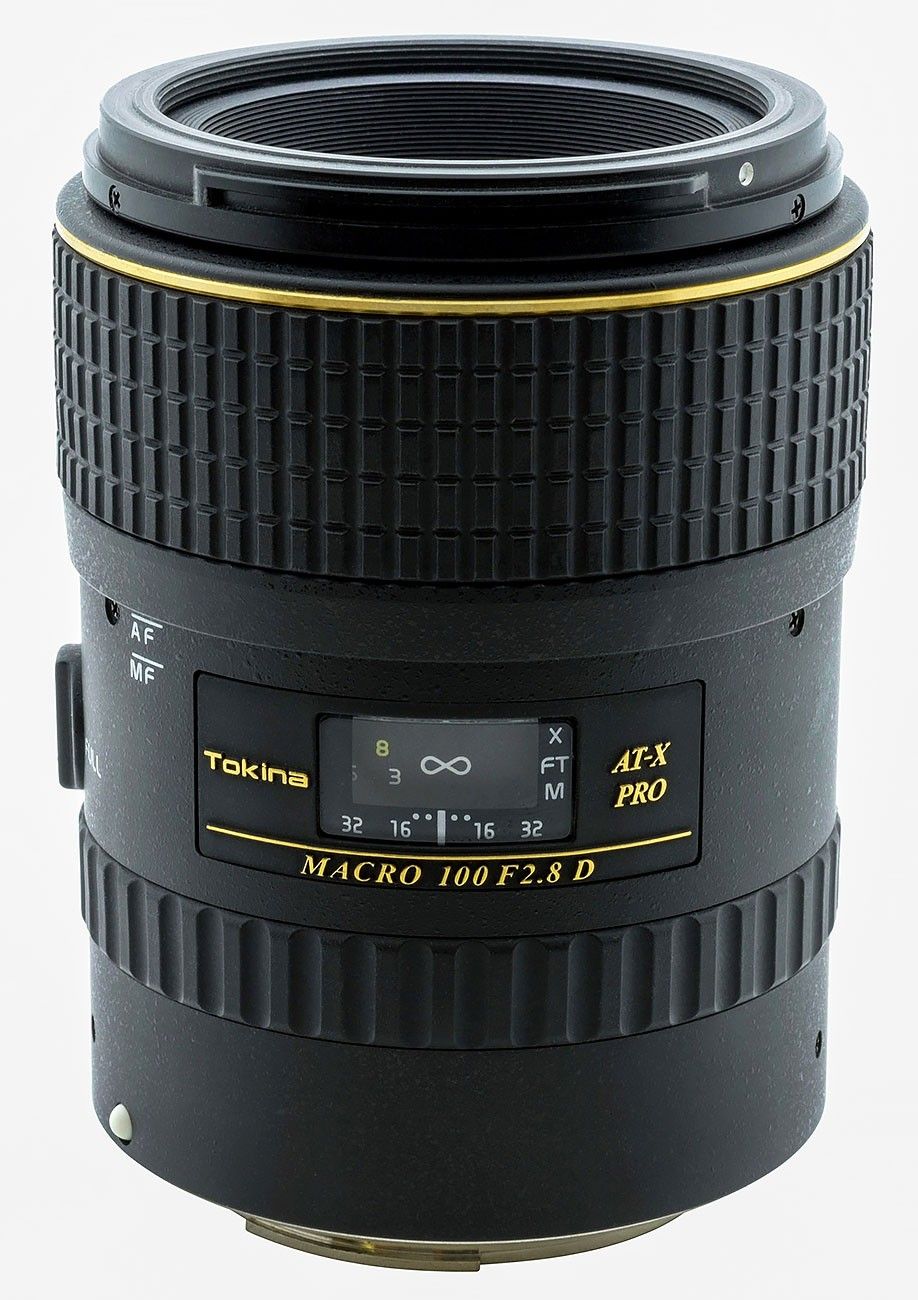

The build quality is first rate. Seriously, this is build quality you'd expect on a lens for 3 times the price. it's heavy, and heavy is good. the Optics are also first rate, it's incredibly sharp. Without spending hours taking photos of charts, I don't see any chromatic aberrations, and sharpness is very good. The Bokeh is nice, and when you have a look at the diaphragm blades you'll see why. They are an engineering masterpiece. This is a beautiful lens, and at a damn good price.
The front element is recessed a hell of a long way, why I don't know. This is an external focusing lens (meaning it gets longer as you focus – pretty much doubling it's length) so maybe it's to accommodate the focus rail. what ever the reason, you don't want to get this thing dirty, it's too deep to clean properly, so buy a filter. It comes with a lens hood, but with the recessed front element you'll wonder why – buy a filter, and you'll use it.
This isn't a ‘G' lens, so it has an aperture ring. this really pissed me off until I found the lock, which locks it into the auto position. I kept getting error messages when I set the aperture on the camera, as the ring had to be in the right position, and it moves every time you mount it on the camera. I'm so far past aperture rings, that I never checked it. This is more operator error than a fault, and those of you using older bodies need the aperture ring (who reads the instructions anyway right?
Speaking of bodies, it's a full frame prime lens, at 100mm, so on a crop frame Nikon you get 150mm. it's great for Macro, as you get some distance from your subject, but as a portrait lens, be prepared to walk…….. a long way (if your studio/conditions allow!)
Focus is slow, but when you see how far it moves, you'll allow it this fault. Setting up hand held macro shots can be hard to get an initial focus to work with, and doing it all on manual is frustrating. I guess I'll get better as I get used to the focus range. I almost gave a hermit crab a heart attack one day as I constantly re-positioned him as I just couldn't get the initial focus right. again, operator error rather than a fault, but I've never had as much of an issue as with this lens. (The little fella just gave up walking away after a while and I got some great shots). There's no image stabilization either, not a big issue for macro, but for normal shots, 150mm is long with out VR.

You could spend all you money on name brand lenses, and only have one or two. Or you could buy a couple of Tokinas (as I have) and have a more diverse kit. And if you read some of the technical reviews, you see several of the Tokinas blow away the name brand lenses. The more I use it, the more i like it (I just hate the damn focus clutch)A great investment, and I recommend to all
Sample Pictures –


